Timing your Silk Road journey can make the difference between a magical experience and a challenging one. The vast geography of the route means you’ll encounter everything from arid deserts to high mountain passes.
Spring (April to May)
Arguably the best season. Temperatures are mild (15-25°C), wildflowers bloom in the mountain valleys, and tourist crowds are manageable. The Dunhuang sand dunes are particularly beautiful in spring light, and sandstorms are less frequent than in early summer.
Summer (June to August)
Hot in the desert regions — Turpan can reach 45°C — but this is the best time for the high-altitude sections and for experiencing vibrant local festivals. The Turpan Grape Festival in August is a highlight. Start your days early (6-7am) to avoid the midday heat.
Autumn (September to October)
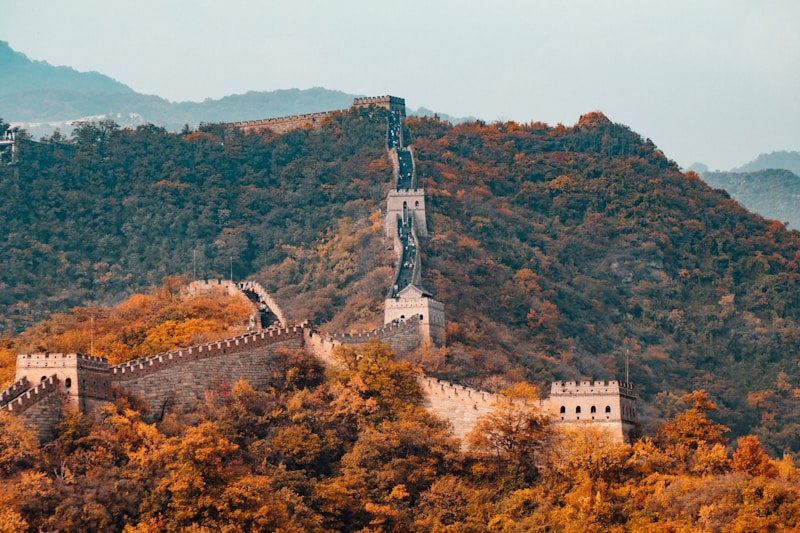
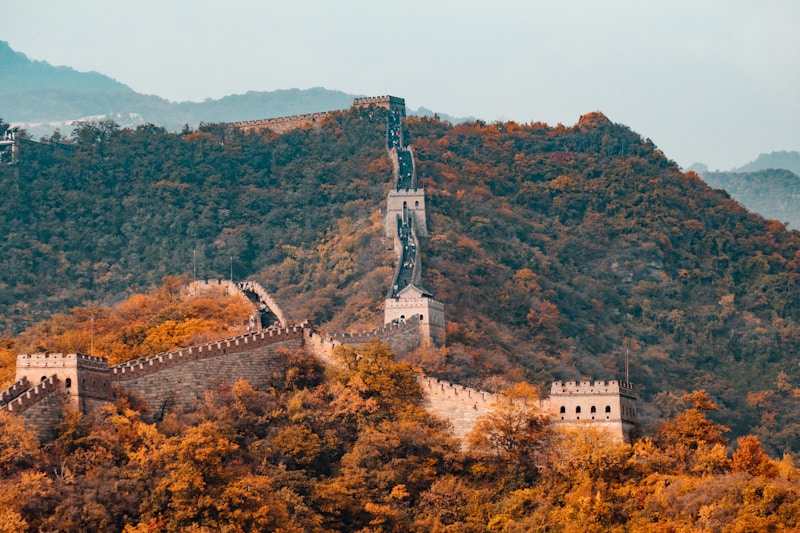
Another excellent window. Clear skies, golden light, and comfortable temperatures (10-22°C). The poplar forests turn brilliant yellow along the desert highways. October national holidays bring domestic crowds — book well ahead.
Winter (November to March)
Very cold, especially in the desert. Many sites remain open but with reduced hours. Not recommended unless you specifically want snow photography at the Great Wall or empty Mogao Caves.
Key Festivals
- Dunhuang Silk Road Festival (September) — cultural performances, camel races
- Turpan Grape Festival (August) — Uyghur music, dance, and endless grapes
- Xi’an Lantern Festival (February) — marks the end of Chinese New Year
Seasonal Breakdown
Spring (March to May): Spring in Best Time Silk Rod brings gradually warming temperatures, blooming flowers, and lush landscapes. It is an excellent time for outdoor activities, photography, and cultural festivals. Early spring can still be cool, especially at higher elevations, so pack layers.
Summer (June to August): Summer offers the warmest weather and longest daylight hours, making it ideal for sightseeing and outdoor exploration. However, this is also peak tourist season in many regions, with larger crowds and higher prices. Some areas may experience monsoon rains, so check regional patterns.
Autumn (September to November): Autumn is widely considered the best season to visit Best Time Silk Rod. Clear skies, mild temperatures, and vibrant fall foliage create ideal conditions for travel. Crowds thin out after the summer peak, and accommodation prices become more reasonable. Harvest season also brings fresh local produce and food festivals.
Winter (December to February): Winter brings colder temperatures, particularly at night and in mountainous regions. However, it offers a unique, quiet travel experience with fewer tourists and significantly lower prices. Some high-altitude attractions may be inaccessible due to snow, so plan accordingly. Winter is also the season for many traditional festivals and celebrations.
Packing Tips by Season
Regardless of when you visit Best Time Silk Rod, layering is key to adapting to changing temperatures throughout the day. For spring and autumn, pack a mix of short- and long-sleeve shirts, a light jacket or fleece, and a waterproof outer layer. Summer calls for breathable, lightweight clothing, sun protection (hat, sunglasses, sunscreen), and a rain jacket for sudden showers. Winter requires thermal base layers, a heavy insulated jacket, warm hat and gloves, and sturdy waterproof boots. Always include comfortable walking shoes, a universal power adapter, and any necessary medications. For visits to religious sites, pack modest clothing that covers shoulders and knees.
Festival and Event Calendar
Timing your visit to coincide with a local festival can be a highlight of your trip to Best Time Silk Rod. Spring often features Lunar New Year celebrations, flower festivals, and cultural performances. Summer brings music festivals, harvest celebrations, and outdoor events. Autumn is a popular time for food festivals, wine harvest events, and cultural heritage celebrations. Winter features holiday markets, ice and snow festivals, and traditional New Year preparations. Research specific festival dates before booking, as many follow lunar calendars and change from year to year. Note that during major festivals, some businesses may close, transport may be crowded, and prices may be higher, so plan accordingly.