
Duration: 15 Days
Overview
Xinjiang weather is a temperate extreme continental, with a large temperature difference between day and night, sufficient sunshine time (annual sunshine time is 2500-3500 hours), little precipitation, and dry weather. The average yearly rainfall in Xinjiang is about 150 mm, but there is a big difference in moisture in different regions. The temperature in Southern Xinjiang is higher than in Northern Xinjiang, and the precipitation in North Xinjiang is higher than that in Southern Xinjiang. In the coldest month (January), the average temperature is – 20 ℃ in the Junggar Basin. The absolute minimum temperature in Fuyun County on the northern edge of the basin once reached – 50.15 ℃, one of China’s coldest areas. In the hottest month (July), the average temperature in Turpan, known as “Huozhou ( Fire Continent ),” is above 33 ℃, and the absolute maximum temperature once reached 49.6 ℃, ranking the first in China. Because of the significant temperature difference between spring and summer and autumn and winter in most of Xinjiang, there has always been a saying that ” wear fur coat as early as possible, wear gauze at noon and eat watermelon around the stove.” Xinjiang travel is favored by people, which should be attributed to Xinjiang’s unique climate conditions.
Seasonal Breakdown
Spring (March to May): Spring in Xjing brings gradually warming temperatures, blooming flowers, and lush landscapes. It is an excellent time for outdoor activities, photography, and cultural festivals. Early spring can still be cool, especially at higher elevations, so pack layers.
Summer (June to August): Summer offers the warmest weather and longest daylight hours, making it ideal for sightseeing and outdoor exploration. However, this is also peak tourist season in many regions, with larger crowds and higher prices. Some areas may experience monsoon rains, so check regional patterns.
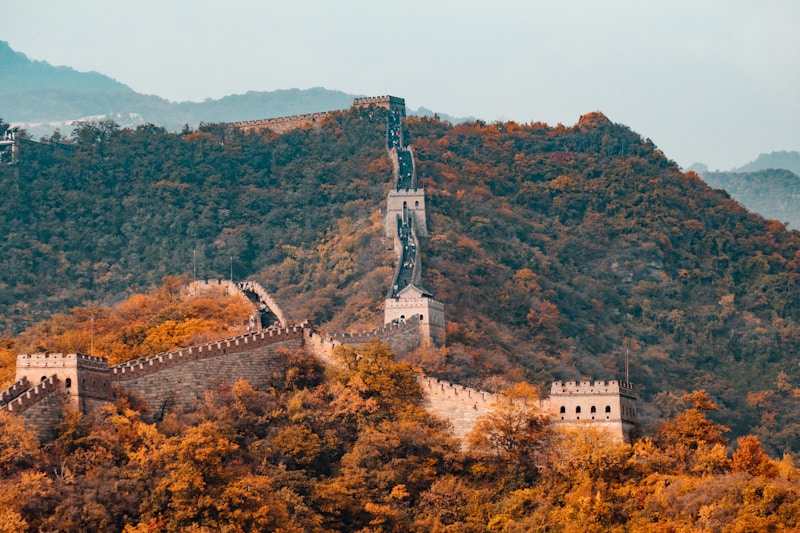
Autumn (September to November): Autumn is widely considered the best season to visit Xjing. Clear skies, mild temperatures, and vibrant fall foliage create ideal conditions for travel. Crowds thin out after the summer peak, and accommodation prices become more reasonable. Harvest season also brings fresh local produce and food festivals.
Winter (December to February): Winter brings colder temperatures, particularly at night and in mountainous regions. However, it offers a unique, quiet travel experience with fewer tourists and significantly lower prices. Some high-altitude attractions may be inaccessible due to snow, so plan accordingly. Winter is also the season for many traditional festivals and celebrations.
Packing Tips by Season
Regardless of when you visit Xjing, layering is key to adapting to changing temperatures throughout the day. For spring and autumn, pack a mix of short- and long-sleeve shirts, a light jacket or fleece, and a waterproof outer layer. Summer calls for breathable, lightweight clothing, sun protection (hat, sunglasses, sunscreen), and a rain jacket for sudden showers. Winter requires thermal base layers, a heavy insulated jacket, warm hat and gloves, and sturdy waterproof boots. Always include comfortable walking shoes, a universal power adapter, and any necessary medications. For visits to religious sites, pack modest clothing that covers shoulders and knees.
Festival and Event Calendar
Timing your visit to coincide with a local festival can be a highlight of your trip to Xjing. Spring often features Lunar New Year celebrations, flower festivals, and cultural performances. Summer brings music festivals, harvest celebrations, and outdoor events. Autumn is a popular time for food festivals, wine harvest events, and cultural heritage celebrations. Winter features holiday markets, ice and snow festivals, and traditional New Year preparations. Research specific festival dates before booking, as many follow lunar calendars and change from year to year. Note that during major festivals, some businesses may close, transport may be crowded, and prices may be higher, so plan accordingly.